Medical
What Qualities Make a Good Medical Assistant in Topeka
Do you have the qualities that make a good medical assistant? Build a foundation of important qualities while attending Topeka Medical Assistant School.


The national median salary for medical assistants is approximately $42,000 per year — roughly $20 per hour — according to the Bureau of Labor Statistics. For a career that requires weeks of focused training rather than years of college, that’s a strong starting point. And with experience, certification, and the right specialty, the number moves significantly higher.
Here’s a detailed breakdown of what medical assistants actually earn, what influences pay, and how training at Topeka Medical Assistant School in Topeka positions you to maximize your earning potential from day one.
Experience is the most reliable predictor of medical assistant pay:
| Experience Level | Annual Salary | Hourly Rate |
|---|---|---|
| Entry-level (0–1 year) | $33,000–$38,000 | $16–$18/hr |
| Mid-level (2–4 years) | $38,000–$45,000 | $18–$22/hr |
| Experienced (5+ years) | $45,000–$55,000 | $22–$26/hr |
| Lead/supervisor roles | $50,000–$62,000+ | $24–$30/hr |
The progression is steady and consistent. Medical assistants who stay in the field, earn certifications, and develop specialized skills see meaningful salary growth without needing additional degrees.
Medical assistants with the Certified Clinical Medical Assistant (CCMA) credential earn more than non-certified peers. The premium is typically $1–$3 per hour, translating to $2,000–$6,000 per year in additional income. Over five years, that’s $10,000–$30,000 in extra earnings from a certification you can prepare for during your training program.
Where you work has a significant impact on pay:
Specialty practices often pay $2–$5 per hour more than general primary care offices.
Cost of living drives salary variation. Metropolitan areas and regions with healthcare workforce shortages typically offer higher wages. Topeka employers compete for trained medical assistants, which supports competitive local pay.
Multi-physician practices, hospital systems, and large healthcare groups often offer higher base pay plus benefits (health insurance, retirement contributions, paid time off) that add thousands to your total compensation.
Medical assistants who speak Spanish, Mandarin, Vietnamese, or other languages commonly spoken in their patient populations can earn a bilingual premium — typically $1–$2 per hour more.
| Career | Training Time | Median Annual Salary |
|---|---|---|
| Medical assistant | 18 weeks – 2 years | $42,000 |
| Dental assistant | 12 weeks – 1 year | $46,540 |
| Pharmacy technician | 6 months – 2 years | $38,350 |
| Phlebotomist | 4 months – 1 year | $40,580 |
| LPN/LVN | 12–18 months | $54,620 |
Medical assisting offers one of the strongest training-time-to-salary ratios in healthcare. The 18-week path to a $42,000+ career is difficult to beat on pure efficiency.
The BLS projects 14% growth in medical assistant employment through 2032. That’s roughly 119,000 new positions nationally, plus tens of thousands more from annual turnover. This demand is driven by:
When demand outpaces supply, wages rise. Certified medical assistants in active job markets are in an excellent negotiating position.
Pass the CCMA exam as soon as you finish training. Certification is the fastest, most reliable way to increase your starting pay and your career ceiling.
After 6–12 months in general practice, begin applying to specialty clinics. Cardiology, orthopedics, and dermatology positions regularly pay more for medical assistants with clinical experience.
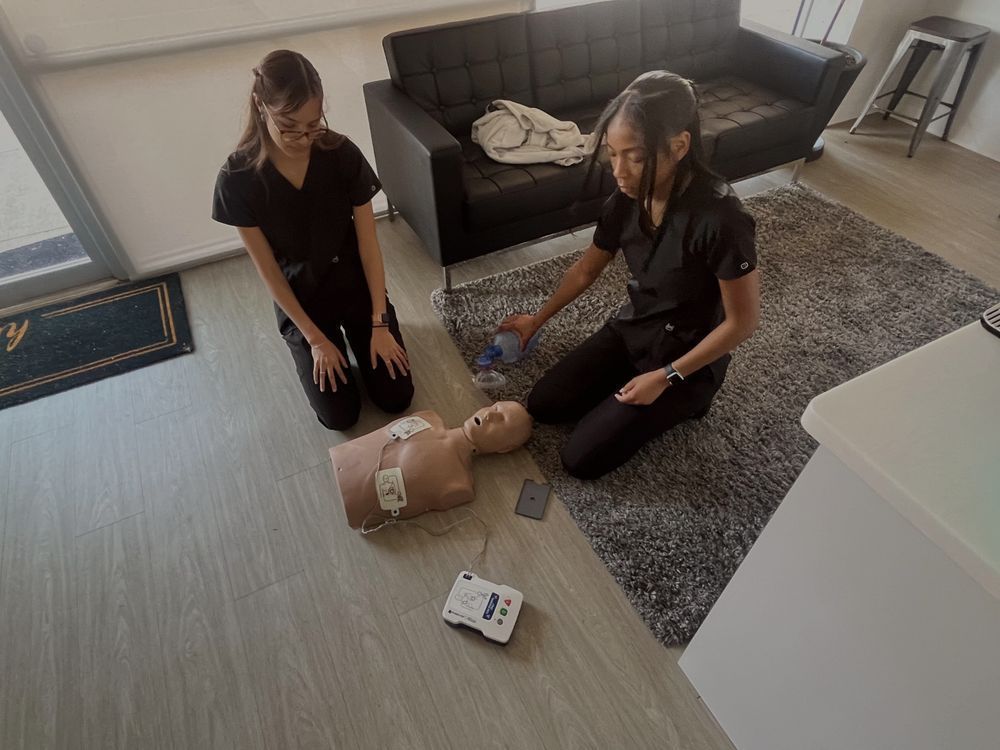
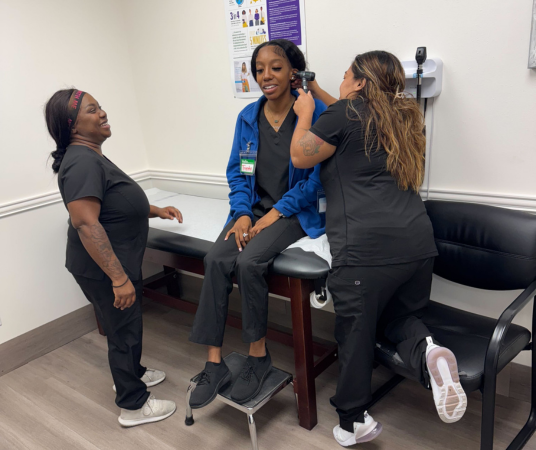
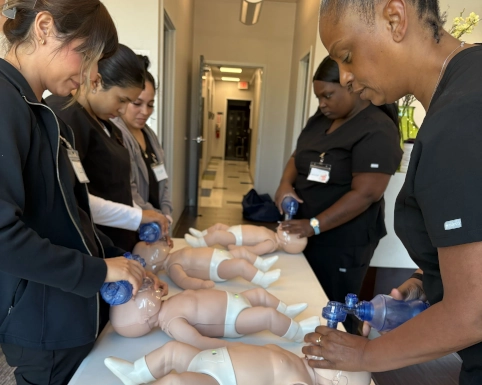
Phlebotomy proficiency, EKG interpretation confidence, injection technique, and point-of-care testing competency are the clinical skills that matter most. Programs that let you practice these skills in real medical offices — not just on mannequins — prepare you to demonstrate value immediately.
Come to salary discussions prepared. Know the BLS median, local market rates, and what your certification is worth. Employers expect negotiation, and candidates who present data get better offers.
Medical assisting is relationship-driven. Assistants who are reliable, efficient, and good with patients become highly valued. That value converts to raises, bonuses, and advancement opportunities.
The 18-week program at Topeka Medical Assistant School in Topeka is built to get you earning as quickly as possible:
The difference between starting in 18 weeks and starting in 18 months is roughly $50,000 in salary you’d earn during that gap.